
Why have i received simple assessment tax calculation
Written and Reviewed by Shamayun Chowdhury, Senior Accountant · Published: 27 October 2026 · Last reviewed: October 2026 · Applies to 2025/26 letters
You have received a Simple Assessment tax calculation because HMRC thinks you owe Income Tax that it cannot collect through your tax code. The usual causes are a State Pension above your Personal Allowance, savings interest, untaxed income or an underpayment of £3,000 or more. You do not need to file a tax return. Check the figures, then pay by the date on the letter.
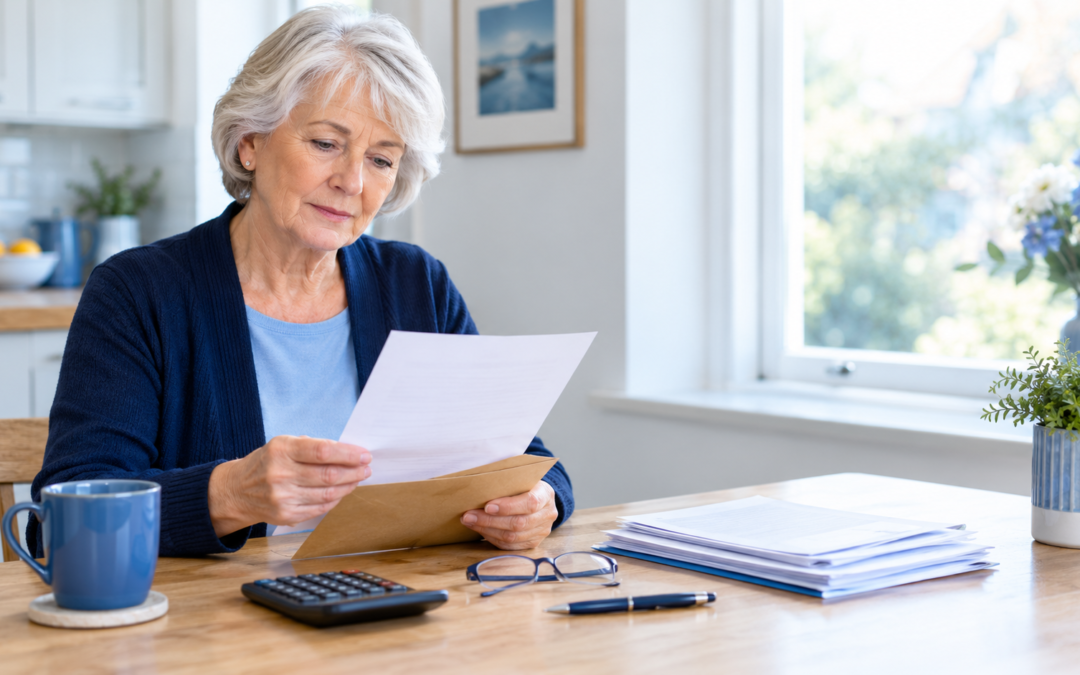
A brown HMRC envelope with a form called PA302 inside can be unsettling, especially if you have never filled in a tax return. Many people asking “why have I received a Simple Assessment tax calculation?” are pensioners or employees who thought PAYE had already dealt with their tax.
HMRC says it is sending around 1.8 million Simple Assessment letters in this round, so you are far from alone. This guide explains each likely reason, shows how to check the numbers against your own paperwork, and sets out the deadlines for paying, querying or appealing.
- A Simple Assessment is HMRC’s own calculation, built from data sent by the DWP, employers, pension providers and banks.
- It replaces the need for a tax return. You cannot opt in or out of it.
- You have 60 days from the date on the letter to query the figures.
- Payment is usually due by 31 January after the tax year, or three months after the letter date if that is later.
- From 2027/28, people whose only income is the State Pension should stop receiving small bills this way. That change is announced but not yet in force.
Why Have I Received a Simple Assessment Tax Calculation? The Short Answer
HMRC receives information about your income from other organisations. When that information shows tax is owed, and the tax cannot be taken through a PAYE tax code, HMRC works out the bill itself and posts it to you. The charity LITRG explains that this is used for people who do not have to complete a Self Assessment tax return. Use the table to match your situation to the paperwork worth checking.
| Likely reason | Who it usually affects | Document to check |
|---|---|---|
| State Pension above the Personal Allowance | Pensioners with no other PAYE income | DWP annual increase letter |
| Savings interest above your allowances | Savers, often with fixed-rate accounts | Bank and building society interest statements |
| Underpayment of £3,000 or more | Employees with a wrong tax code | P60 and final payslip |
| Tax not collected after leaving a job | People who retired or stopped work | P45 and P60 |
| Untaxed second income | People with a small extra pension or income | Pension provider statement |
| More tax-free allowance given than due | Anyone whose allowance was set too high | Tax code notices from HMRC |
These reasons come from HMRC’s own list in its 29 July 2026 announcement. Each one is explained further down.
What Is a Simple Assessment (PA302) Letter?
What the PA302 shows
The PA302 is a one-year tax bill. It lists each type of income HMRC holds for you, the allowances it has given, the tax already paid through PAYE, and the balance due. It also shows a 14-character payment reference beginning with “X” and the date the bill was issued. That date matters, because your deadlines run from it.
Paper letter or online
HMRC sends the calculation by post. If you use the HMRC app or a personal tax account, you may also see it online. Working-age customers began receiving 2025/26 letters on 30 June 2026 and pensioners from 12 August 2026. A second batch based on bank and building society interest goes out between October and December 2026.
You cannot opt in or out
HMRC decides who gets a Simple Assessment. LITRG notes that you cannot ask to be placed in it, and HMRC does not use it if it has already sent a P800 for the same year or needs to settle more than one tax year at once.
The Most Common Reasons, Explained
Most answers to “why have I received a Simple Assessment tax calculation?” fall into one of four groups. Work out which one fits you, because it tells you which document to check.
1. State Pension above the Personal Allowance
The State Pension is taxable but paid without tax taken off. If it is your only income and it is more than the £12,570 Personal Allowance, there is no employer or pension provider to collect the tax. HMRC therefore bills you directly.
For 2026/27, LITRG lists the full new State Pension at £241.30 a week, or £12,547.60 a year. That is just £22.40 below the allowance. People who also get additional State Pension, a protected payment or extra pension from deferring can go over the limit, and that is often why they get a letter.
Joan receives State Pension, including additional State Pension, of £14,000 for 2025/26. She has no other income.
Taxable income: £14,000 − £12,570 Personal Allowance = £1,430
Tax at the 20% basic rate: £1,430 × 20% = £286
No tax was taken at source, so HMRC issues Joan a PA302 for £286. She pays it by 31 January 2027, or within three months of the letter date if that is later.
2. Savings interest above your allowances
Banks and building societies report interest to HMRC. Basic-rate taxpayers have a £1,000 Personal Savings Allowance and higher-rate taxpayers have £500. Higher interest rates mean more people now go over these limits without realising.
For example, an employee earning £45,000 who received £1,600 interest would have £600 of taxable interest. At 20%, that is £120. If HMRC cannot add it to the tax code in time, it may appear in a Simple Assessment instead.
3. Tax your code could not collect
HMRC usually corrects small underpayments by adjusting next year’s tax code. HMRC says underpayments that cannot be collected this way are typically those of £3,000 or more. Leaving a job, retiring part way through the year, or having two jobs with the wrong code can all create a balance that ends up on a PA302.
4. Too much tax-free allowance
Sometimes HMRC gave you more allowance in your code than you were entitled to. A typical cause is your income changing after the code was set. The calculation reclaims the difference. If you have a letter for this reason, compare the allowance shown with the tax code notices you received during the year.
Simple Assessment vs Self Assessment vs P800
These three are often confused. The key difference is who does the calculation and what you have to do next.
| Feature | Simple Assessment (PA302) | Self Assessment | P800 |
|---|---|---|---|
| Who calculates it | HMRC | You or your accountant | HMRC |
| Tax return needed? | No | Yes | No |
| How tax is collected | You pay HMRC directly | You pay HMRC directly | Usually through your tax code, or a refund |
| Typical user | Pensioners, savers, employees with large underpayments | Self-employed, landlords, high earners | Employees with small over- or underpayments |
If you also earn from self-employment or property, a Simple Assessment will not cover that income. You may need to register for Self Assessment instead, and from April 2026 some sole traders and landlords also have to check whether Making Tax Digital applies to them.
Received a Simple Assessment Tax Calculation? Check It Before You Pay
HMRC builds the PA302 from third-party data, and that data can be wrong. ICAEW reported more than 1.3 million Simple Assessment letters for 2023/24 and warned that some contain errors. So once you know why you have received a Simple Assessment tax calculation, spend ten minutes on these checks before paying.
Five checks against your own paperwork
- Tax year: make sure the letter is for the year you expect, such as 6 April 2025 to 5 April 2026.
- State Pension: compare the figure with your DWP letter. Count the weekly amount for 52 weeks of the tax year, not the calendar year.
- Employment and private pensions: match pay and tax paid to your P60 or P45.
- Interest: check each account against the bank’s annual statement. Interest on a joint account should normally be split between the holders.
- Allowances: confirm the Personal Allowance, and Marriage Allowance or Blind Person’s Allowance if you claim them.
Errors worth looking out for
Common problems include the same income counted twice, interest from an ISA wrongly included, joint interest put entirely in one name, and a pension start date that is wrong. Any of these can increase the bill, so query them rather than paying and hoping to reclaim later.
Deadlines: Pay, Query or Appeal
The dates below are based on LITRG’s summary of the rules and HMRC’s 2026 announcement. Always follow the date printed on your own letter if it is different.
| What to do | Deadline | If you miss it |
|---|---|---|
| Tell HMRC about extra taxable income | By 5 October after the tax year ends | The income may go unassessed, leading to interest later |
| Query or object to the figures | Within 60 days of the letter date | The assessment becomes final |
| Pay the tax for 2025/26 | 31 January 2027, or three months after the letter date if later | HMRC can charge interest on the unpaid amount |
LITRG notes that, at the time of writing, late payment penalties do not apply to Simple Assessment, although interest does. Paying on time is still the cheapest option.
How to Disagree With a Simple Assessment
Contact HMRC by phone or in writing within the 60-day window. Explain which figure is wrong and why, and have your evidence ready. HMRC will then either send a revised calculation or write to explain why it believes the original is correct.
If you still disagree, you have a right of appeal. LITRG explains that HMRC can postpone some or all of the tax while it considers the appeal, and must then confirm, amend or withdraw the assessment. If that does not settle it, the dispute can go to an independent tax tribunal. Most errors are fixed long before that stage.
How to Pay Your Simple Assessment Bill
Once you are happy the figures are right, LITRG lists these ways to pay:
- Online through your personal tax account.
- Through the HMRC app.
- By bank transfer, quoting your 14-character reference starting with “X”.
- By cheque, with the same reference written on the back.
You can pay in full or in smaller amounts before the deadline. If you cannot afford the bill, contact HMRC early about a payment plan. GOV.UK explains the options if you have difficulties paying HMRC.
Is the Letter Genuine?
Fraudsters copy HMRC tax demands, so check before you pay. A genuine Simple Assessment arrives by post or appears in your personal tax account. HMRC will not ask you to pay through a link in a text message or email. If in doubt, sign in through GOV.UK yourself, or use HMRC’s list of genuine HMRC contacts.
The 2027/28 State Pension Change
In the 2025 Budget, the government announced that people whose only income is the basic or new State Pension will not have to pay small amounts of tax through Simple Assessment from 2027/28. The House of Commons Library notes that further details have not yet been published. Until they are, 2025/26 and 2026/27 letters must still be paid.
If a pensioner asks “why have I received a Simple Assessment tax calculation when my pension is all I have?”, this is the reason it will keep happening until then.
The letters that cause the most trouble are the ones people put in a drawer. A PA302 is usually correct, but when it is not, the 60-day window is your best chance to fix it cheaply. Open it, check it against your P60 and bank statements, and act within the month. — Shamayun Chowdhury, reviewer
Common Mistakes to Avoid
| Mistake | Result | Better approach |
|---|---|---|
| Ignoring the letter | Interest builds and the chance to query passes | Check it the week it arrives |
| Paying without checking | Overpaid tax is harder to recover | Run the five checks first |
| Assuming it covers all your income | Self-employed or rental income stays undeclared | Register for Self Assessment if needed |
| Paying through a link in a text | Risk of fraud | Pay only through GOV.UK or the HMRC app |
Frequently Asked Questions
Why have I received a Simple Assessment tax calculation from HMRC?
HMRC has information showing you owe Income Tax that it cannot collect through your tax code, often on the State Pension, savings interest or a large PAYE underpayment.
What is a Simple Assessment tax calculation?
It is a PA302 letter in which HMRC works out your tax for one year from information it already holds, so you do not need to file a tax return.
Is a Simple Assessment the same as Self Assessment?
No. In Self Assessment you report your income on a return. In Simple Assessment, HMRC does the calculation and sends you the bill.
What if I cannot pay my Simple Assessment?
Contact HMRC before the deadline to discuss a payment plan. Interest is charged on tax paid late, so acting early keeps the cost down.
Will I get a Simple Assessment every year?
Possibly, if your income stays the same. HMRC may instead adjust your tax code if you start receiving income it can tax through PAYE.
Do I need to reply if the figures are correct?
No reply is needed. Simply pay the amount due by the deadline using your payment reference.
Final Verdict: Why Have I Received a Simple Assessment Tax Calculation?
If you are still asking “why have I received a Simple Assessment tax calculation?”, the answer is almost always that HMRC found tax it could not collect through PAYE. Check the figures against your paperwork within 60 days, query anything wrong, and pay the rest by the deadline. If your letter suggests your finances have outgrown PAYE, get advice on Self Assessment.
- Note the letter date and work out your 60-day and payment deadlines.
- Run the five checks against your P60, DWP letter and bank statements.
- If you have self-employed or rental income too, see the tax return and accounting services MTDFix offers.
✓ Self Assessment and MTD returns
✓ Fixed fees, agreed before we start